
What Happens to Vegetables After Harvest?
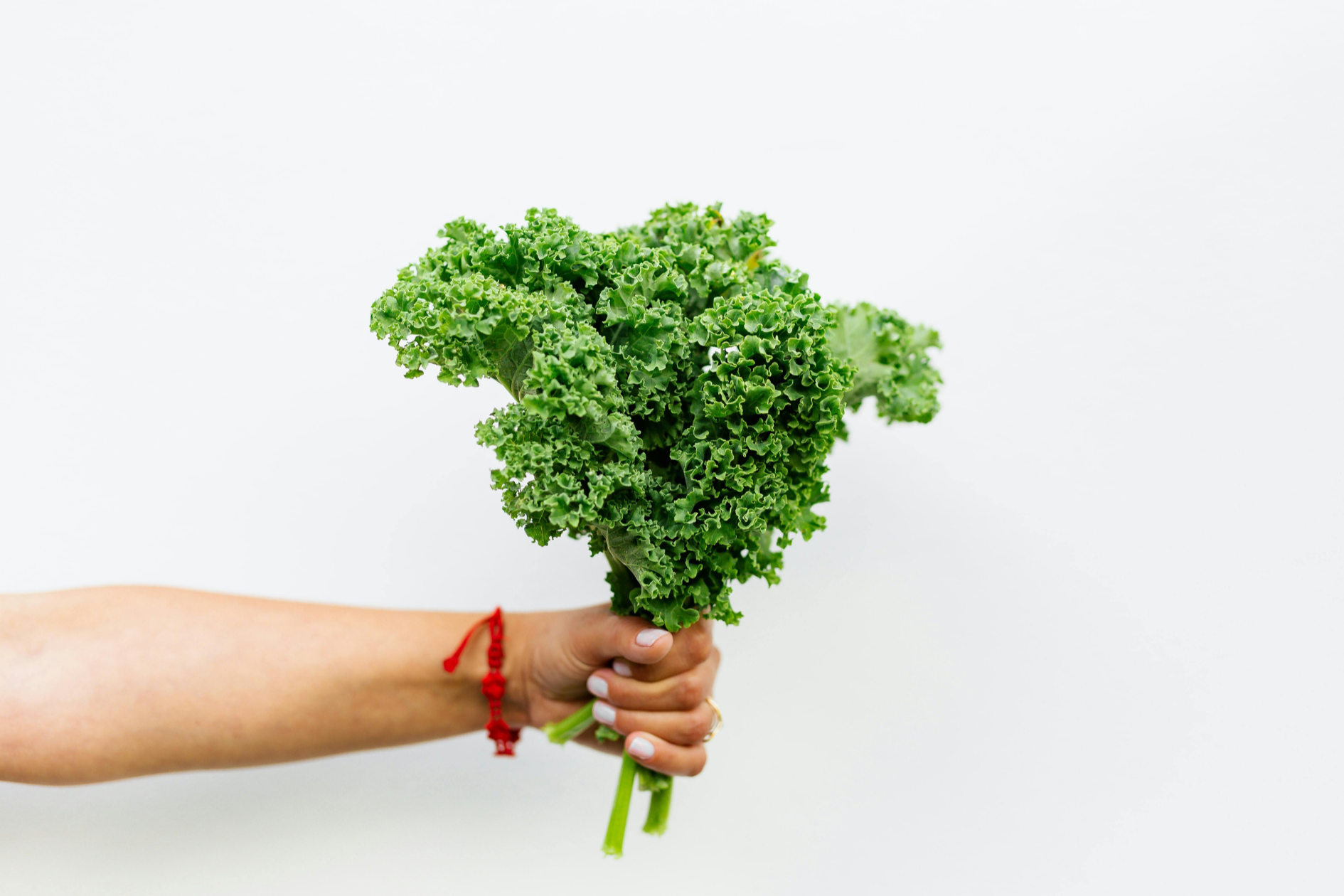
A closer look at why quality monitoring matters
When people think about fresh vegetables, they usually think about harvest day. The moment vegetables are picked from the farm often feels like the end of the story.
In reality, it’s only the beginning of another important phase.
Vegetables continue to change after harvest, and how they are handled during this period plays a big role in the quality that eventually reaches store shelves and home kitchens.
Vegetables Are Still “Alive” After Harvest
Here’s a simple but often surprising fact:
Vegetables don’t stop changing once they are harvested.
Leafy greens and other fresh produce continue to respire — a natural process where they slowly lose moisture and energy over time. Temperature, handling, and time all influence how quickly these changes happen.
This is why freshness is not just about when vegetables are harvested, but also about what happens next.
Why Freshness Is a Process, Not a Moment
It’s easy to assume that freshness is guaranteed the moment vegetables are picked. But maintaining quality requires attention beyond harvest day.
After harvest, vegetables can be affected by:
Heat and humidity
Handling and movement
Storage conditions
Time before reaching shelves
Small changes during this stage can make a noticeable difference later on.
That’s why quality is not something that can be checked once and forgotten.
It needs to be monitored regularly.
The Role of Ongoing Quality Monitoring
In a working farm, quality monitoring happens continuously.
This includes:
Observing how vegetables respond after harvest
Checking condition and freshness regularly
Adjusting handling methods when needed
Monitoring quality week by week helps identify small issues early, before they become bigger problems.
This ongoing attention allows vegetables to reach shelves in better condition, rather than relying on a single final inspection.
From Farm to Shelf: Many Small Decisions
Between harvest and retail shelves, vegetables go through several stages:
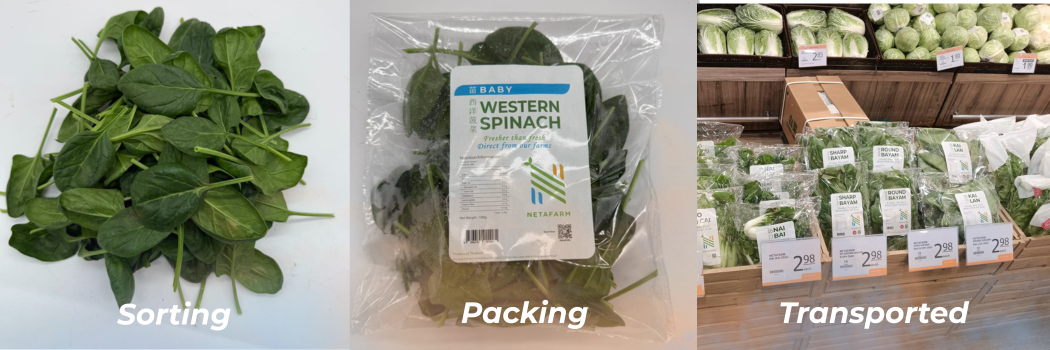
Each stage involves decisions that affect freshness and appearance.
Consistency comes from making these decisions carefully and repeatedly — not just when conditions are ideal, but as part of everyday operations.
Why This Matters to Shoppers and Families
When vegetables reach shelves, they don’t just represent a product.
They become part of meals, routines, and family tables.
Understanding what happens after harvest helps explain:
Why fresh vegetables may vary slightly in appearance
Why handling and monitoring matter
Why consistency requires effort behind the scenes
This is the part of farming that people don’t always see, but it plays an important role in food quality.
A Quiet but Important Part of Farming
Farming involves much more than planting and harvesting.
A lot of work happens quietly after harvest — checking, monitoring, adjusting, and planning — to ensure vegetables are handled properly before they reach the market.
It’s not the most visible part of farming, but it’s an important one.
Good vegetables are the result of many small decisions, made consistently over time.
